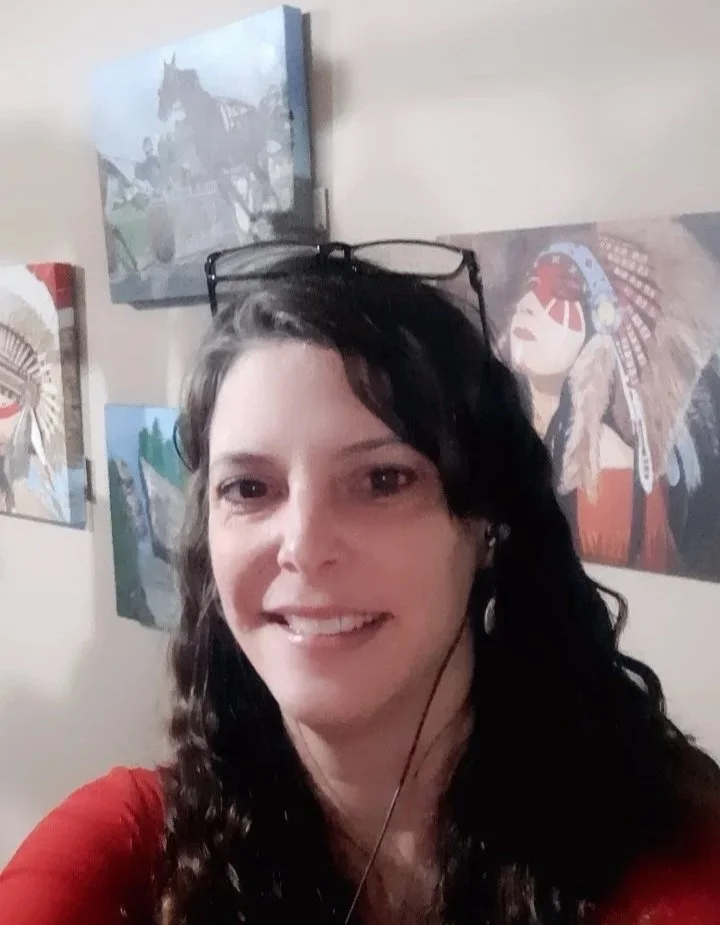
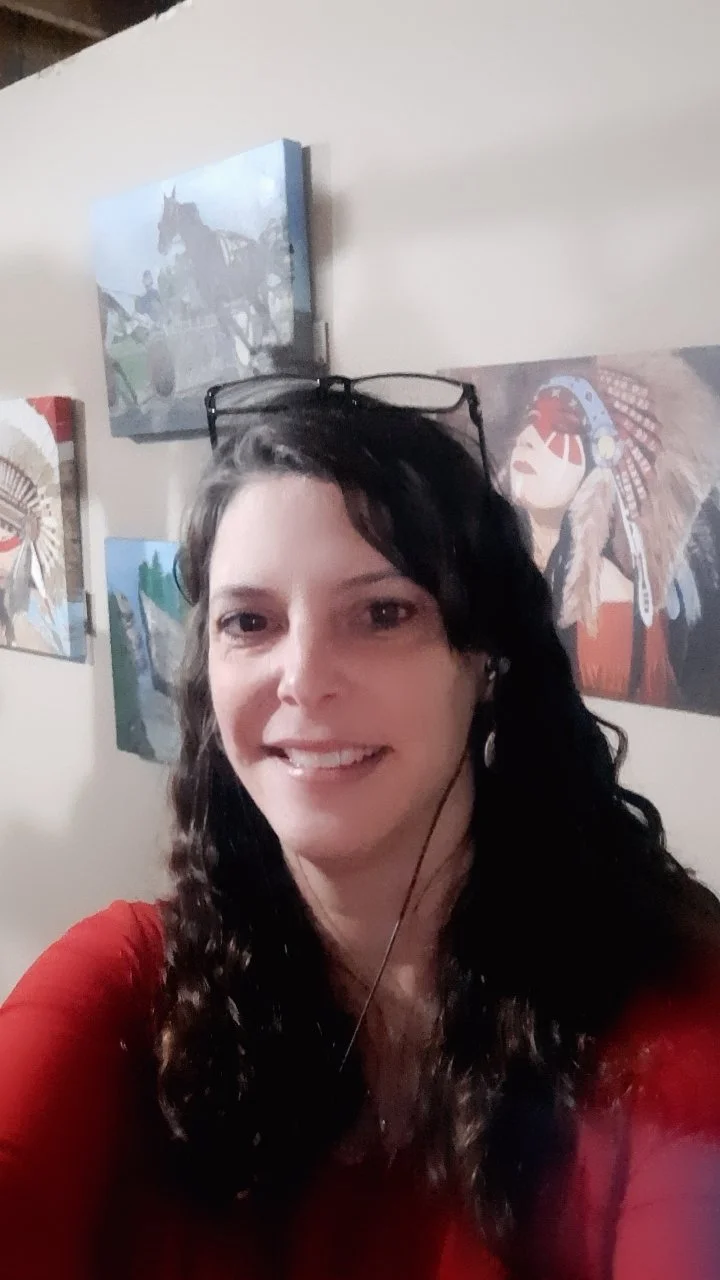
Sarah: In what manner has your background in fine arts impacted your perspective on filmmaking?
Karen: A painting, while beautiful, captures a moment in time, and adding as much detail as possible has brought me great pride and satisfaction in my art; however, I have a desire to bring moments to life.
I think my attention to detail in art has impacted my perspective for filmmaking, because if something looks fake to me, such as an image or detail in one of my paintings, then I might feel that it is not good enough, and I will want to redo it. The same attention to detail will be brought to my films. I will reshoot a scene until it looks real, but if I cannot get the shot to work, then I am flexible enough to either modify it or drop it.
Although perfection is not realistic, I am serious about creating great entertainment. I will only want to produce my finest work: stories that people can relate to and stories that move people. I hope that each cast and crew I work with will be just as passionate as I am.
Sarah: In what way has being based in New Brunswick influenced your creativity, and how do you see this translating in your short films?
Karen: New Brunswick as a whole, and Fredericton, are beautiful places with lots of treed spaces to let your imagination flow. Some of the places where my favorite childhood memories took place have made their way into my short film ideas. I know these areas well, which makes it easier to envision filming various scenarios that could take place there.
Sarah: What skills have you obtained from your background in fine arts that will make you a unique filmmaker?
Karen: Through painting, I learned the importance of shadows and color theory in portraying the emotions I want to depict through art. These skills are definitely transferable to filmmaking!
Another transferable skill I learned through painting is the importance of angles: a head turned in a particular way can show indifference, curiosity, shame, pride, etc. In addition, painting something in the foreground can make it appear like the subject of a painting is close-up while painting the subject in the background will make them appear to be further away. These are the same principles in photography and will serve me well when deciding how I want shots to appear in my films.
Through art, I have learned to be flexible, adaptable and to work with what I have. For example, if I wanted to add something to a painting that I thought would compliment my main subject, but it wasn’t working, then I would decide to change it or get rid of it.
In terms of colors, I have learned to mix colors to get the shade I want in a painting if I didn’t have the exact color. That has led me to be able to think on my toes and work with what I have, instead of going out and purchasing new items. This will allow me to keep my film budgets on the lower side by reassessing what I have and what could work, instead of running out to buy something new. It will increase my creativity and innovation when it comes to filming.
Sarah: What kind of stories are you compelled to write in your literature, and do you think you will maintain a similar theme in your films after your short stories are adapted?
Karen: I tend to be drawn towards thrillers, spinning unexpected tails, surprises, and twists. I think most of my films will be that genre. However, I also like a great comedy with a strong story behind it.
Sarah: What do you think will be the greatest barrier(s) when trying to depict your short stories in film, and how do you think you will counteract this?
Karen: The greatest barrier I see for myself is taking the extent of my imagination, which can go anywhere in written stories, and making them realistic in film. I will be relying on a crew with much more experience to tell me when I must reign in an idea if something is simply not possible to do the way I envision it.
Sarah: In what ways has it been beneficial for you to have a short story written before adapting it to the screen, and do you think you will continue with this sort of writing style?
Karen: Honestly, for me, it has been easier to write my first few scripts because I had already written them as short stories. I have found it easier to shorten my written stories and adapt them to short films, than coming up with a brand-new idea and starting from scratch. I just needed to decide what had to go and what had to stay to turn the most intriguing part of my stories into scripts for film. I still have a few more previously written short stories and ideas for short films before I have to go ‘cold turkey’, but even then, I think I will have no problem since just being outdoors can make a new idea pop into my head.