By Jeff Cook
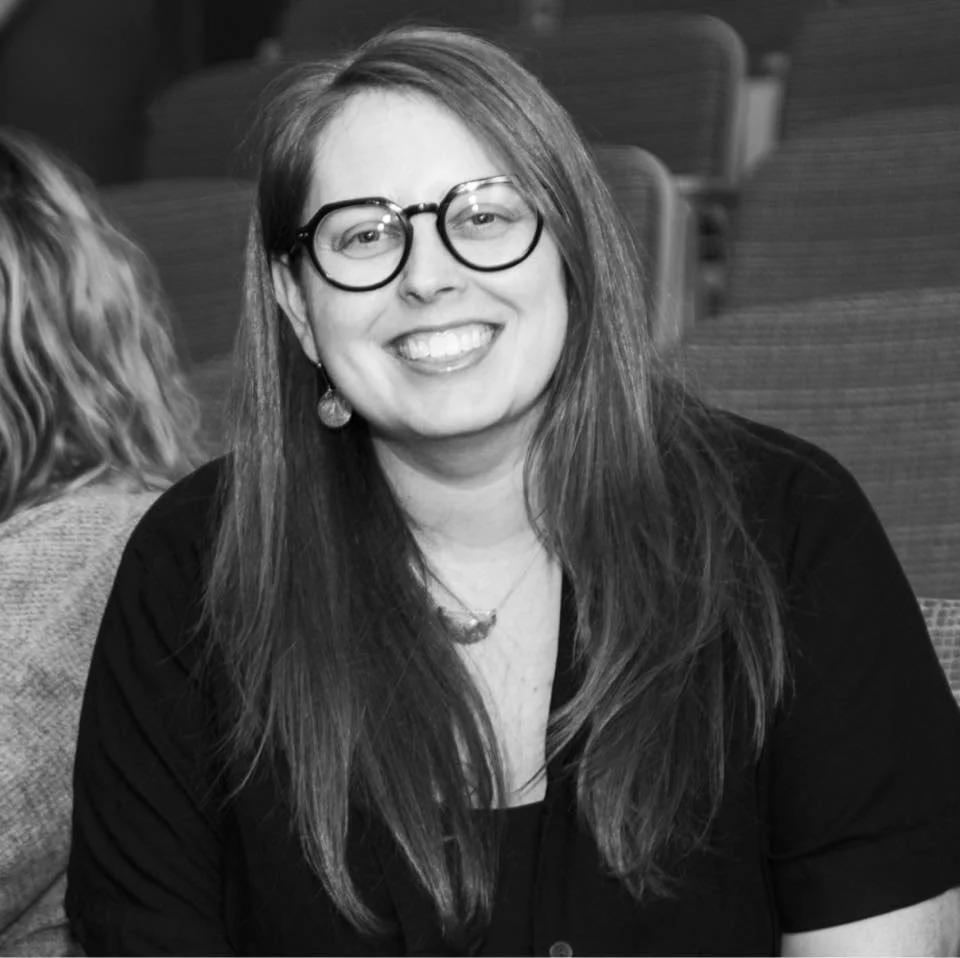
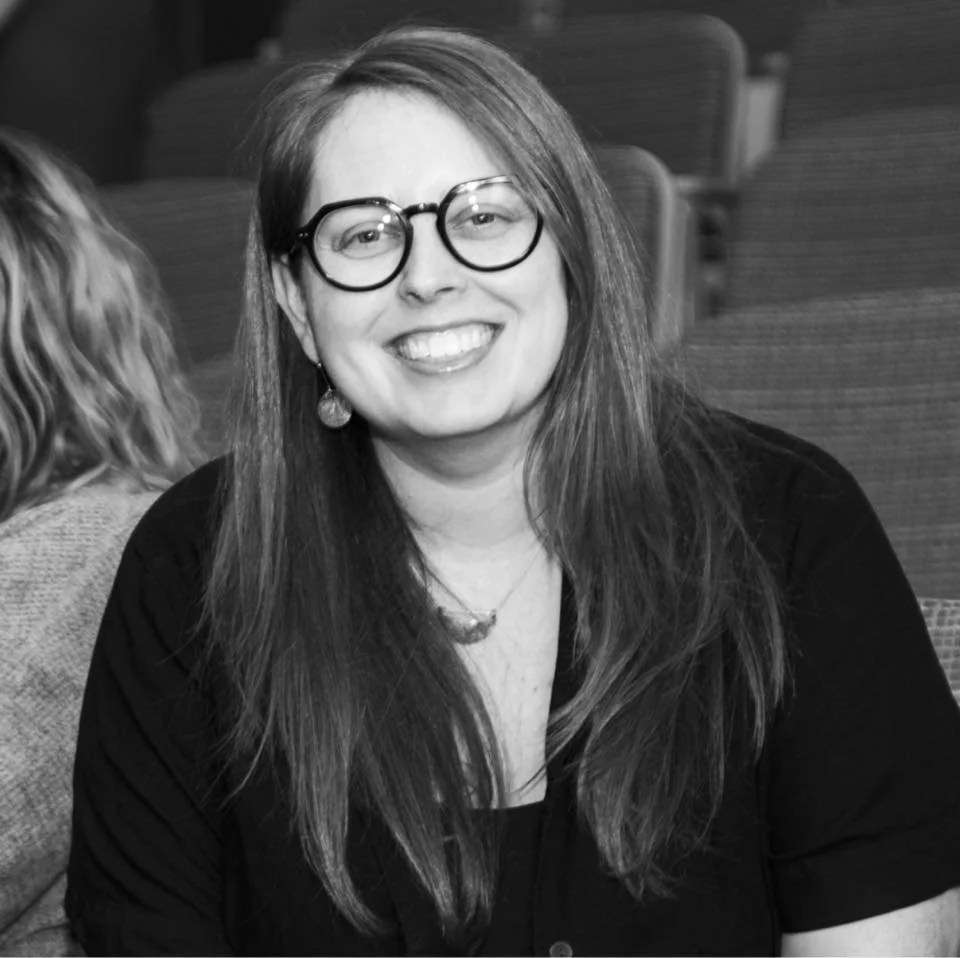
This week I had the privilege to ask award-winning filmmaker and NB Film Co-op President, Jillian Acreman, a few questions. In preparation for the interview I watched two films, written and directed by Jillian. I felt genuinely inspired as I watched “Marigolds” and “Queen of the Andes,” both Silver Wave Film Festival Viewer’s Choice Award winners. In the interview I set out to glean as much as possible about Jillian’s process to apply in my own creative practice.
Jeff: You’ve been prolific and decorated in the New Brunswick film community since 2009 as both an assistant director and director. You’ve also done tons of peripheral work in producing, writing and even as a dolly grip. How do you decide to split your time between collaborations and being a director for your own work?
Jillian: I joined the co-op because I wanted to make my own films, but I've also always leaned into the cooperative structure of the organization. I value volunteerism a great deal, and I try to still volunteer on at least one project a year. A lot of people showed up to help me when I was getting started, and I like maintaining that part of the practice. These days I mostly AD because it aligns with my strengths, but I've had periods where I craved just being given a call time, showing up, and doing the job. There was one summer I gripped/dolly gripped on everything and it was awesome. I was always interested in production design on my own projects, but I've become more curious about designing for others the past few years. I love filmmaking, but ultimately I just like meeting and working with newer filmmakers, and then of course making movies with my friends.
Jeff: Something I noticed in both Marigolds and Queen of the Andes is the use of flowers for set design. When I watched the films they also enhanced the narrative experience, sometimes with absurdity or by driving home the depth of a moment between characters. What is your philosophy and intention behind the use of natural imagery and themes?
Jillian: The flowers in these two projects served distinct functions, but both were predicated on the fact that flowers photograph well. In Marigolds my character was a botanist who spent his life making things grow. This juxtaposed his own infertility, setting him on his unusual quest to find an alternative legacy. In Queen of the Andes, the flowers were intended to thematically mirror Pillar's arc: Beautiful, idealized, and plucked from their natural environments and popped into glass vases for decoration while slowly decaying. The film visually bookends Pillar behind glass which was my way of closing this circle.
Jeff: You skillfully curate New Brunswick bands, locations, lore, and imagery for your work. Is this hyper-locality a deliberate choice and do you ever worry about this affecting the broader accessibility of the film for audiences outside of New Brunswick?
Jillian: I don't worry about it affecting the broader accessibility of the films, though admittedly this isn't one of my areas of strength either. It's definitely a deliberate choice though. It gives the work more depth, for me anyway. Stories are universal, but I like the idea that visually, this movie could have only been made HERE, because it's all our stuff. Someone once told me "you are going to watch your films more than anyone else in the world. Make the movies you want to make", and so I do.
Jeff: I’m brand new to viewing a lot of local films but, to me, your shots have a distinct polish in composition, color correcting, cut length, ect. This isn’t something I’m used to seeing in my routine YouTube or short-form vertical viewing. How much of your process is associated with making choices that lead to this “vibe?” Are there particular things you do in order to achieve this through a film consistently?
Jillian: I'd say this is nearly all of my process. I think composition is the ballgame, and I'm always interested in how I can use the frame to double down on storytelling. If the story is about someone becoming isolated from people, how can I use the frame to do this? I can start wide and let them share the frame with loved ones, and gradually tighten up until I'm forced to cut back and forth. Eventually maybe they're separated by phones or glass or walls, but I definitely want the arc of my themes to come visually as well as through the plot. In terms of consistency I love a good plan and follow through, I don't improvise a lot (and when I do, it tends to show in a negative way). I can absolutely find something in the moment or on the day that I didn't anticipate, but I value being able to know immediately how this will fit within the larger scope of the project. This is how I am with films, but I've also done several music videos which have taught me SO MUCH about play.
Visually, I always consider how to build colour and texture into sets and costumes, but I also work with people who know me and what I'm going for, and they're good at what they do. In terms of the rhythm of a film I just listen to what the scene needs. I like fast, frenetic editing and I also love slow, patient films. I think the rhythm of a film needs to match the character's experience.
Jeff: Your stories have a really satisfying progression. I’m a big Joseph Campbell “monomyth” fan and Queen of the Andes scratched that itch in a way no film has for me in years. I was obsessed with your subversion of a happy ending. Is your storytelling process formulaic or do you use different tools to structure and execute a narrative?
Jillian: This is a hard question! As a document and blueprint, I definitely try to structure my feature scripts in the classic, industry standard way. As a storyteller I'm usually just working through my own noise, trying to unpack whatever experiences I'm having at a given moment in my life, so the endings are most often what I find, rather than something I'm trying to build. I'm not looking for a happy ending, I'm looking for an answer.
Jeff: As a musician, a lot of my work happens in isolation. What would your advice be for a creative in New Brunswick, like me, who wants their product to keep paying the bills but also incorporate the local community in a more connective and social way?
Jillian: I might be the wrong person to ask! Film is a creative practice for me, but I also teach at NBCCD and I love that life as well. Filmmaking doesn't pay my bills, though it does help. But I'm drawn to the life and the work more than anything. I think there's so much space for other artists to connect and collaborate together. If you're a musician, make music videos with filmmakers, make album art with designers or painters, pitch your music for events or installations. So much of my work also happens in isolation (grants, scripts, editing) but there's this incredible burst of energy in the middle when I get to just make the movie with my friends. And then there's a similar burst of energy when my friends make films and I get to show up and help them. It's the most collaborative medium, and it's awesome.